

A PERFECT EXAMPLE OF LIVING IN HARMONY WITH NATURE
By Bindu Gopal Rao
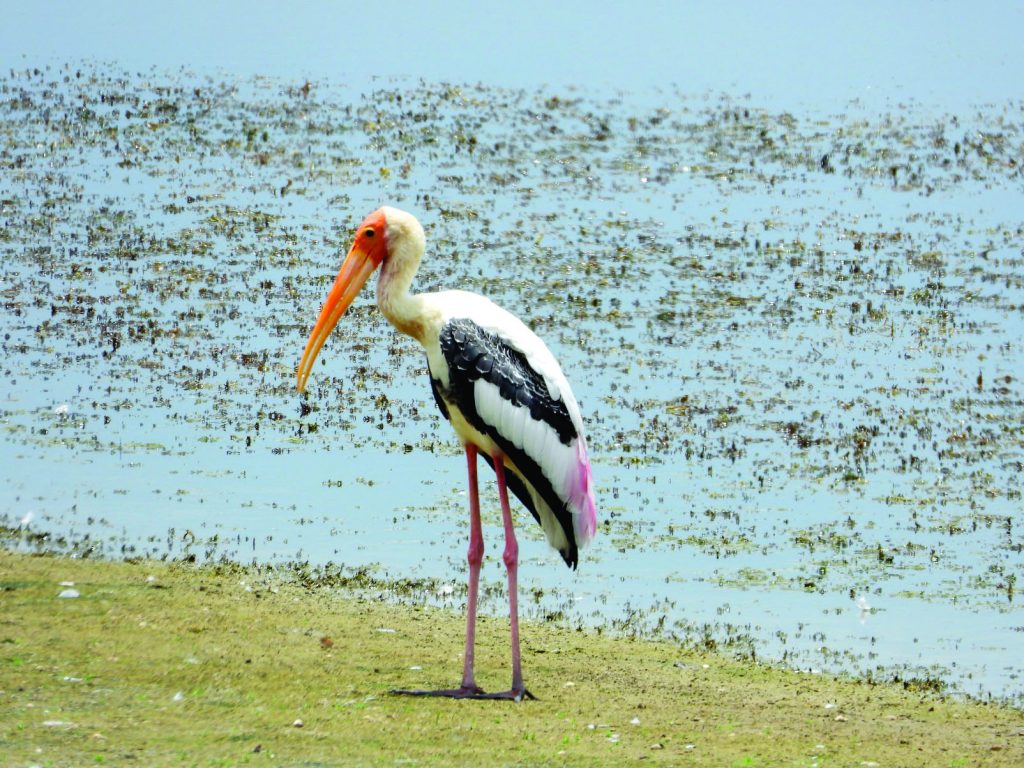
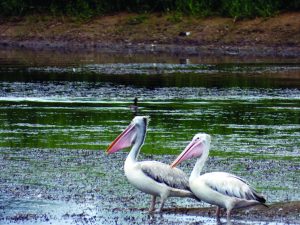
A small hamlet located about 75 kilometers from Bengaluru, India, is Kokkarebellur, which ensures birds like painted storks and pelicans can breed in peace.
Did you know that there is a village in Karnataka’s Mandya District that is not a bird sanctuary and yet sees hundreds of migratory birds that come to breed? Well, this is Kokkarebellur, a village that is named after the painted stork (Ibis leucocephalus), locally called ‘kokkare’ in Kannada.
EXEMPLARY HUMAN-ANIMAL COEXISTENCE
The first ever historical mention of Kokkarebellur and its pelicanry was made by British naturalist T.C. Jerdon. An outbreak of plague forced the villagers, pelicans, and storks to move from the old location on the banks of River Shimsha to a new site 800 meters away. Interestingly, this is the only community reserve in Karnataka and one of the
45 across the country and one of the 21 breeding sites of the spot-billed pelican in South India (listed by IUCN as Near Threatened).
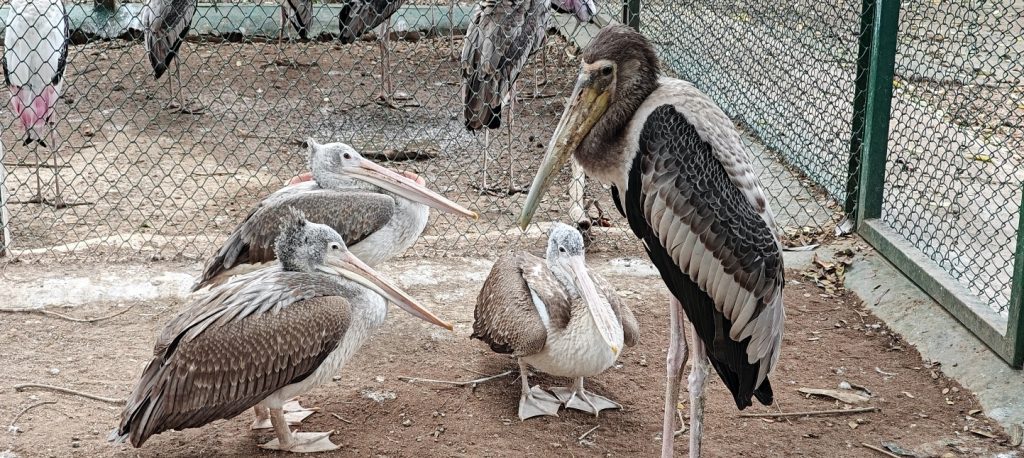
At a time when there is a lot of noise around man-animal conflict, the villagers here work in tandem to ensure that the birds can breed safely. This is a bond that goes back centuries and is deeply embedded in the culture of the local communities and in the unique behavior of the birds that prefer proximity to people. Viewed as harbingers of good fortune, the birds are welcomed each season as they set up nests in the tree canopies of banyan and tamarind. This relationship nurtures both, demonstrating an example of how living so closely with nature can benefit the health of the ecosystem. In fact, even the children of the village have been taught that it is their duty to take care of the birds and not disturb them or their nests. This is why the tamarind is not harvested, as the birds prefer to roost on specific trees only. The bird droppings are a source of ‘guano’ that is used as manure for farming, and this is exactly why there is a symbiotic sustenance seen here. Venkatesh, a resident of the village, says, “These birds are harbingers of good fortune, and we believe that by coming here each year, they are doing us a good turn.”
MAKING AN IMPACT
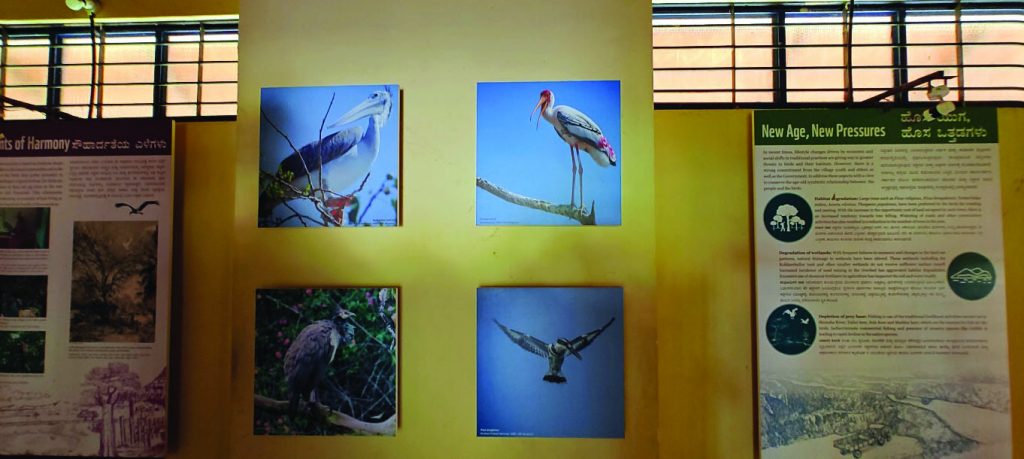
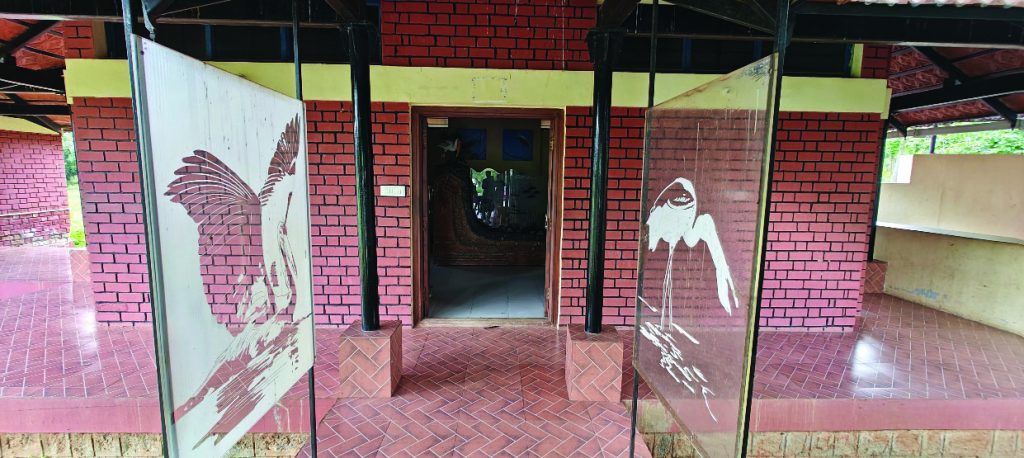
The village now has a nature interpretation center that is open to visitors who can come here and learn all about the place. Hejjarle Balaga (Friends of the Pelicans), local communities Gram Panchayat, CHESCOM, the Forest Department, and WWF-India have come together to conserve the biodiversity and natural resources of Kokkarebellur. K. Sri Krishna, a member of Hejjarle Balaga who also looks after the center, says, “I have been here since 2008, and I am working on educating the community as well on the need for conservation here. As birds are declining, we need this interpretation center, as we have several infographics here that serve to educate and create awareness of this area.” He also runs small camps for the locals to reinforce conservation methods as well.
HELPING HANDS
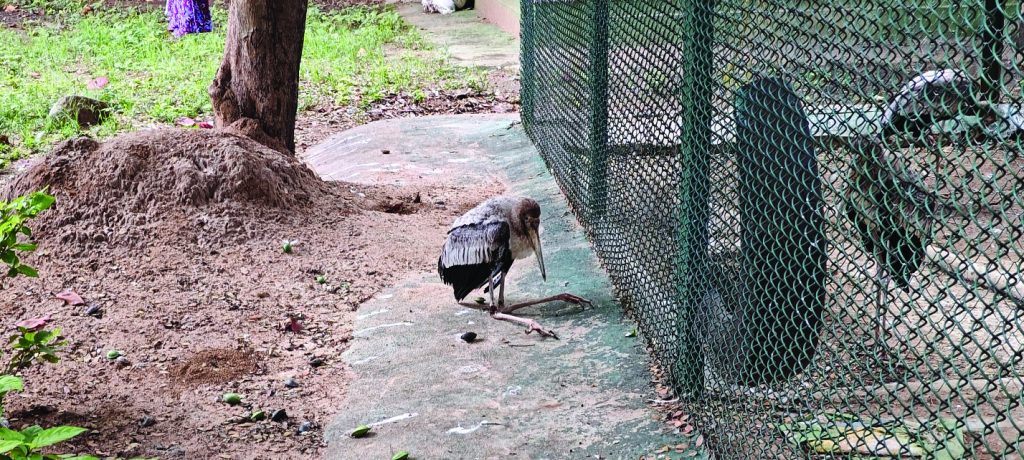
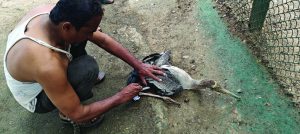
Located near the Nature Interpretation Centre is a place where Lokesh P, a forest watcher, takes care of injured birds. As Kokkarebellur is not really a formal bird sanctuary, there are cases when birds fall off the nest or sustain injuries, and Lokesh works tirelessly to help them get back on their feet. “If the bird is on the ground, it is abandoned by the family. This is when we take care by rescuing and feeding them. Once they are fit, they are released so that they can live a regular life,” says Lokesh. At the center, I saw him apply medicine on an injured foot of a pelican, and as a visitor, you can also contribute (it is completely voluntary) for the food (fish feed) for these injured birds. “Some birds cannot survive in the wild, as their injury has crippled them, and that is why we keep them in an enclosure here,” adds Lokesh.
COMMUNITY CONNECT
Hejjarle Balaga, in association with local communities, conducts periodic awareness programs to educate community members, schoolchildren, and the youth on the significance of this ecosystem and the means to protect it. They have also intervened successfully to stop the felling of trees by people, reduce the chemical and water use, and provide financial compensation to the owner of the tree where the birds nest. Electrical cables throughout Kokkarebellur were insulated at a cost of Rs. 45 lakh (approximately USD 52K) by the Chamundeshwari Electricity Supply Company, which has resulted in the prevention of accidental electrocution of the birds. Sustainable agricultural practices like the use of organic manure and biopesticides are being adopted in this village as well. Various initiatives have been undertaken by local communities in association with the Forest Department and WWF-India to plant trees in the area.
CHALLENGES GALORE
However, there are several issues that are behind the steady decline in the number of birds. Large trees such as Ficus religiosa, Ficus Bengalensis, Tamarindus indica, Acacia nilotica, and Thespesia populenea have been preferred by the birds for roosting and nesting. With the increase in the opportunity cost of land occupied by such trees, there is an increased tendency towards tree felling. Widening of roads and other construction activities have also resulted in a reduction in the number of trees in the area. With frequent failures in monsoon and changes in the land use patterns, natural drainage to wetlands has been altered. These wetlands, including Kokkarebellur tank and other smaller wetlands, do not receive sufficient surface runoff. Increased incidence of sand mining in the riverbed has aggravated habitat degradation. Fishing is one of the traditional livelihood activities carried out in the Shimsha River, Tailur Kere, Sole Kere, and Maddur Kere (lakes in and around the region), which are the sources of fish for the birds. Indiscriminate commercial fishing and the presence of invasive species like catfish are leading to a rapid decline in the native species. However, with proper intervention, many of these challenges can be and are being mitigated. There is more to be done, and one hopes that this unique habitat and relationship between man and bird withstands the test of time.
Bindu Gopal Rao is a freelance writer and photographer from Bengaluu. She enjoys birdwatching and environment, as well as taking the offbeat path when traveling. You can follow her on Instagram @bindugopalrao and find her work on bindugopalrao.com